

What do BC Traditional Chinese Medicine practitioners think about recent regulatory changes and the future of the profession? ATCMA's recent survey reveals widespread concerns about rising costs, regulatory uncertainty, and restrictions affecting core TCM competencies, while also demonstrating strong support for scope modernization and protecting the integrity of TCM as a complete healthcare system. These findings provide valuable insight into the priorities and challenges facing TCM professionals across British Columbia.
The ATCMA recently surveyed practitioners across British Columbia to better understand how recent regulatory changes are affecting the profession. The results provide valuable insight into the challenges practitioners are facing, the areas where more education and communication are needed, and the future direction practitioners would like to see for Traditional Chinese Medicine (TCM) in BC.
Several clear themes emerged: concerns about rising costs, uncertainty around regulatory changes, strong support for modernizing scope of practice, and a desire to protect core TCM competencies such as dietary therapy and herbal medicine.
Regulatory Changes Have Created Significant Concerns
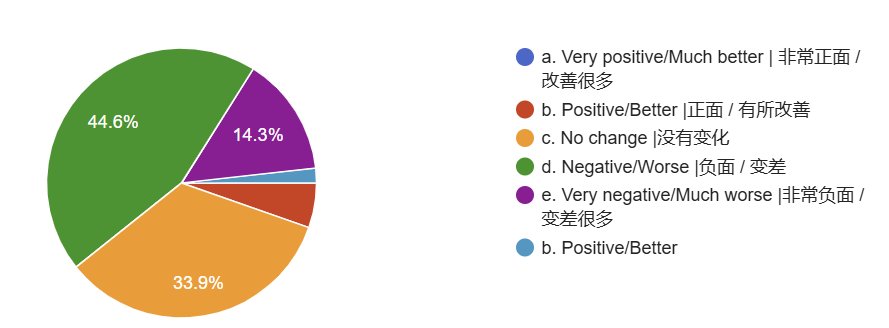
Since the amalgamation of the College of Traditional Chinese Medicine Practitioners and Acupuncturists of BC (CTCMA) into the College of Complementary Health Professionals of BC (CCHPBC), many practitioners report feeling that the impact has been negative.
Among respondents:
- 59% reported that changes have had a negative or very negative impact on their practice.
- Only 7% reported a positive impact.
- Approximately 34% reported no significant change.
The most frequently cited concerns included:
- Increased registration and insurance costs
- Uncertainty regarding scope of practice
- Changes affecting dietary therapy and food recommendations
- Concerns about herbal medicine prescribing rights
- Lack of clarity around bylaws and professional practice standards
- Administrative burdens resulting from registration changes
Many practitioners expressed frustration that costs have increased while they perceive little additional value or support in return.
Knowledge Gaps Remain Around the New Regulatory Framework
The survey revealed that many practitioners still feel uncertain about the Health Professions and Occupations Act (HPOA) and related regulatory changes.
When asked about their understanding of the HPOA:
- Only 11% felt they understood most of the legislation and its impact.
- 21% feel moderately knowledgeable.
- 45% said they understood only a bit.
- 20% felt they don’t understand much of it.
Similarly, when asked about their knowledge of TCM regulatory changes:
- Only 7% consider themselves very knowledgeable.
- 43% described themselves as only moderately knowledgeable.
- 39% said they were minimally knowledgeable.
- And 9% don’t feel knowledgeable.
Licensees expressed concerns over issues around the restrictions on registered acupuncturists to provide nutritional recommendations to their patients, though TCM food cures is a core part of their training. They remain equally concerned about the loss of prescribing Chinese herbal formulas as a restricted activity, the removed requirement for continuing education, and feeling like their questions to the college remain unanswered or unclear. Some survey takers stated how they feel stressed, as they are unsure if they are following the rules correctly or not and they don’t feel secure about their professional future.
These findings highlight a significant need for ongoing education, communication, and support to help practitioners understand how regulatory changes affect their day-to-day practice. This is particularly important because a clear understanding of professional standards, bylaws, scope of practice, and regulatory requirements is essential for safe, effective, and confident patient care.
The results also suggest there may be a disconnect between the information being communicated by regulators and the ability of practitioners to fully understand how those changes apply in practice. Practitioners are looking for clear, practical guidance that helps them navigate their responsibilities and continue providing high-quality care.
ATCMA remains committed to supporting the profession by sharing updates, providing educational resources, advocating for clarity where questions remain, and communicating answers as new information becomes available.
Rising Costs Are a Major Concern
One of the strongest themes throughout the survey was concern about increasing costs.
84% of respondents indicated they were either strongly or moderately concerned about the additional expenses associated with regulatory changes, including:
- Registration fees
- Liability insurance premiums
- Compliance and potential legal costs
Many respondents questioned why costs have increased following amalgamation when the original messaging had been that amalgamation should help consolidate efficiencies and lower costs.
Protecting Core TCM Competencies in Essential
A recurring theme throughout the survey was concern about how recent regulatory changes and interpretations may affect TCM practice.
While government and CCHPBC communications have consistently stated that the scope of practice and competencies of TCM professionals have not been reduced, many practitioners continue to express uncertainty regarding the removal of the restricted activity related to prescribing Chinese herbal medicine and the “evolving” interpretation of registered acupuncturists' ability to provide therapeutic dietary recommendations.
Many respondents emphasized that herbal medicine, dietary therapy, and lifestyle guidance are foundational components of Traditional Chinese Medicine. They expressed concern that changes in regulatory language, interpretations, and professional standards may limit their ability to fully utilize their training and deliver comprehensive TCM care.
The feedback reflects a strong desire to preserve the integrity of TCM as a complete and integrated healthcare system. Practitioners want to ensure that the profession continues to be recognized not simply as a collection of individual modalities, but as a holistic system of assessment, diagnosis, treatment, and patient education that has served communities for generations.
Practitioners Support Scope Modernization
Despite concerns about current regulatory changes, practitioners showed strong support for expanding and modernizing the profession's scope of practice.
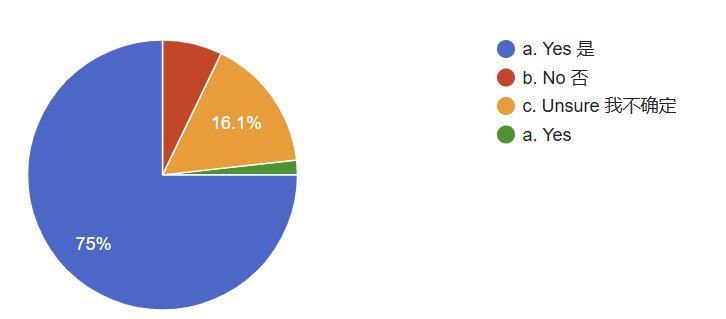
When asked whether ATCMA should advocate for an improved or expanded scope of practice, requiring extra training learned outside of entry to practice TCM:
- 75% said yes.
- Only 7% opposed expansion.
- 16% were unsure.
Respondents identified several priorities for future scope modernization:
Point Injection Therapy (PIT)
- Supported by 67% of respondents.
- The most requested scope enhancement.
Ability to Request X-Ray Diagnostic Imaging
- Supported by 50% of respondents.
Tui Na Joint Mobilization
- Supported by 42% of respondents.
- Refers to high-velocity, low-amplitude joint mobilization techniques.
Additional suggestions included:
- Expanded dietary and nutritional counselling authority
- Limited laboratory testing access
- Ultrasound-guided needling
- Acupotomy
A Profession Looking Forward
While the survey revealed significant concerns regarding costs, regulatory uncertainty, and scope restrictions, it also demonstrated a profession that is engaged, thoughtful, and committed to its future.
Practitioners clearly support efforts to:
- Protect traditional TCM competencies
- Improve clarity around regulations and bylaws
- Modernize scope of practice
- Enhance patient access to TCM services
- Ensure practitioners can fully utilize their training and expertise
These findings will help inform ATCMA's ongoing advocacy efforts with government, regulators, and healthcare stakeholders as we work to strengthen the profession and improve access to Traditional Chinese Medicine for British Columbians.
Moving Forward Together
The profession is at an important crossroads. As healthcare systems increasingly focus on prevention, chronic disease management, pain care, and patient-centred treatment, TCM practitioners have much to offer.
The survey results reinforce the need for continued collaboration, education, and advocacy to ensure practitioners can practice safely, effectively, and to the full extent of their training.
ATCMA thanks all practitioners who participated in the survey and shared their perspectives. Your feedback plays an important role in shaping the future of Traditional Chinese Medicine in British Columbia.
Login to comment
Comments are only available to registered users. Not registered yet? Create a free account now.