Patients are increasingly arriving at clinics with questions shaped by Western nutrition narratives, including protein, fat and carbohydrate intake, inflammation, sugar avoidance, caffeine use, and popular dietary trends. TCM practitioners are often expected to respond with both confidence and clarity, while still remaining grounded in traditional theory and sound clinical reasoning. This course is designed to support TCM professionals in bridging Western nutrition concepts with Traditional Chinese Medicine dietary therapy, without abandoning or oversimplifying core TCM principles. Participants will learn how to translate common Western nutrition concerns into TCM pattern differentiation, respond using clear and appropriate language, and provide patient education that is both clinically meaningful and within professional scope.
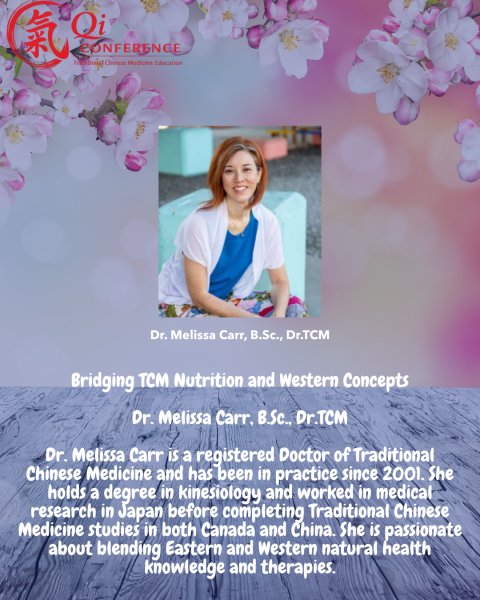
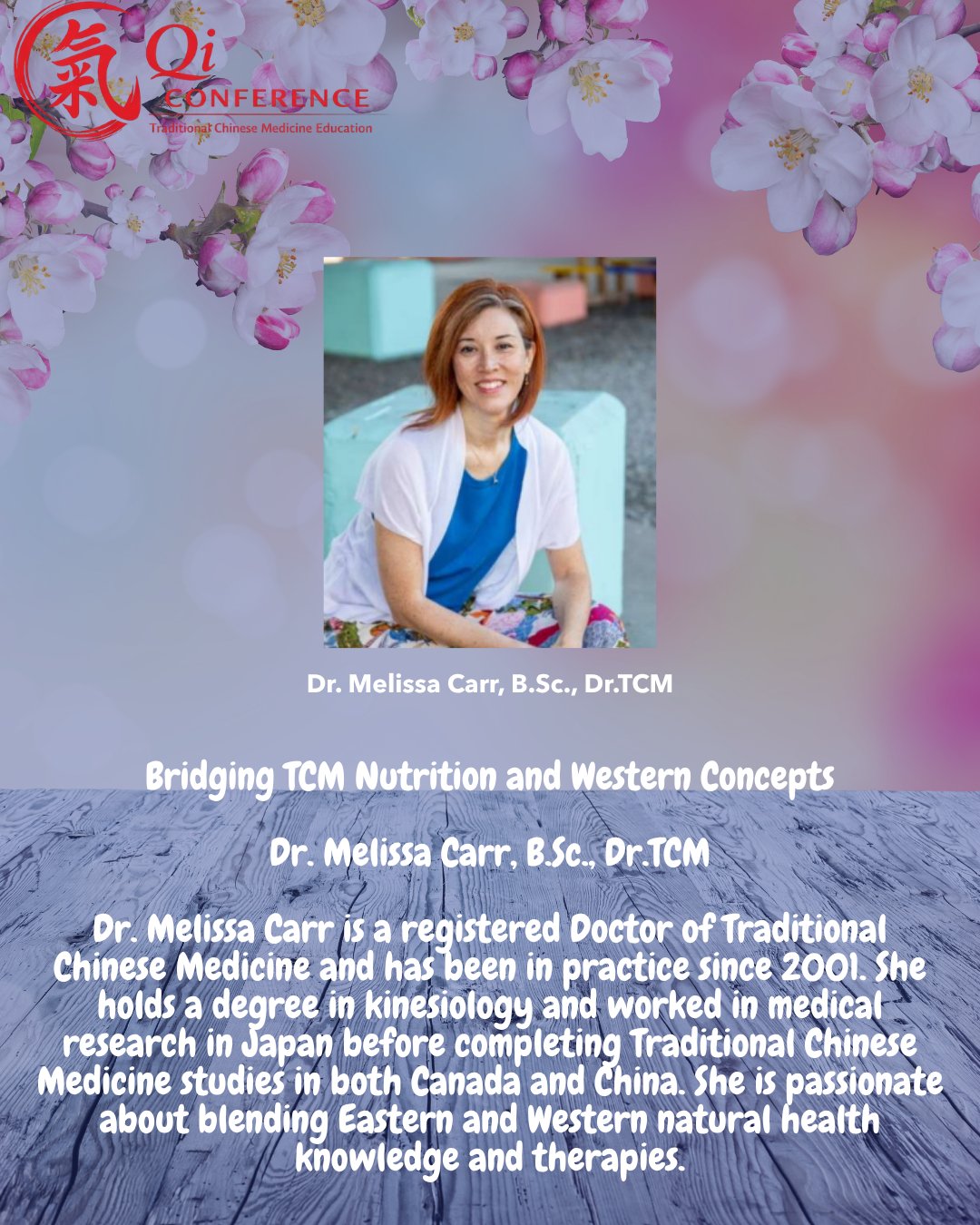
Bridging TCM Nutrition and Western Concepts
Speaker: Dr. Melissa Carr, B.Sc., Dr.TCM
Patients are increasingly arriving at clinics with questions shaped by Western nutrition narratives, such as protein, fat, and carbohydrate intake, inflammation, sugar avoidance, caffeine use, and popular dietary trends. TCM practitioners are often expected to respond clearly and confidently while remaining grounded in traditional theory and sound clinical reasoning.
This course is designed to support TCM professionals in bridging Western nutrition concepts with Traditional Chinese Medicine dietary therapy, without abandoning or oversimplifying core TCM principles. Participants will learn how to translate common Western nutrition concerns into TCM pattern differentiation, respond using clear and appropriate language, and provide patient education that is both clinically meaningful and within professional scope.
By the end of the workshop, participants will be able to:
- Respond to common patient questions about Western nutrition topics using TCM theory
- Explain dietary recommendations in a way that aligns with both patient expectations and TCM principles
- Offer practical, pattern-based nutrition guidance
- Communicate dietary advice as supportive lifestyle guidance
- Preserve classical TCM reasoning within modern clinical practice
- Event and Course Registration — Cancellation and Refund Policy
Recorded/On-Demand Online Courses
Once purchased, recorded or on-demand online course content is made available to you immediately. Because access to this digital content begins at the time of purchase, no refunds will be issued for recorded online course purchases, regardless of whether the content has been accessed or completed. This policy is disclosed to you prior to purchase.
Live Events and Courses (In-Person or Live Online)
If you need to cancel your registration for a live event or course, refunds will be issued according to how far in advance ATCMA receives your written cancellation notice, relative to the scheduled date of the event or course:
Notice Received
Refund
60 days or more before the event/course date
100% of the amount paid
30–59 days before the event/course date
50% of the amount paid
7–29 days before the event/course date
25% of the amount paid
Less than 7 days before the event/course date
No refund
Cancellation notices must be submitted in writing to info@atcma.org. The date ATCMA receives your notice — not the date it is sent — determines which refund tier applies.
If ATCMA Cancels an Event or Course
If ATCMA cancels a scheduled event or course for any reason, all registered participants will receive a full refund of the amount paid, regardless of the notice periods above. ATCMA is not responsible for any related costs incurred by participants, such as travel or accommodation.
Processing
Approved refunds will be issued within 15 business days of ATCMA receiving your cancellation notice (or of ATCMA's own cancellation of the event/course), using the same payment method originally used, where possible.
Related Courses
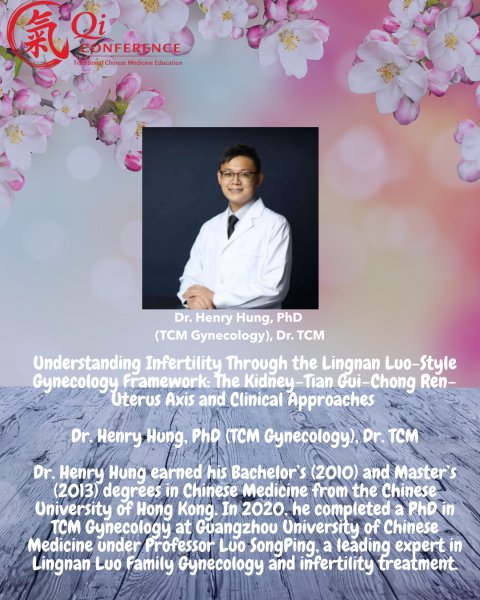
Qi Conference -Understanding Infertility Through the Lingnan Luo-Style Gynecology Framework: The Kidney–Tian Gui–Chong Ren–Uterus Axis and Clinical Approaches
This seminar offers a comprehensive introduction to infertility from the perspective of Lingnan Luo-Style Gynecology. Dr. Henry Hung will present the theoretical foundation developed by Professor Luo Yuankai—the Kidney–Tian Gui–Chong Ren–Uterus axis—and demonstrate how this framework explains the underlying mechanisms of infertility.
The seminar will also cover modern biomedical classifications of infertility and integrate them with Luo-Style pattern differentiation and treatment strategies, providing participants with a clinically relevant and well-rounded understanding of infertility from both traditional and modern perspectives.
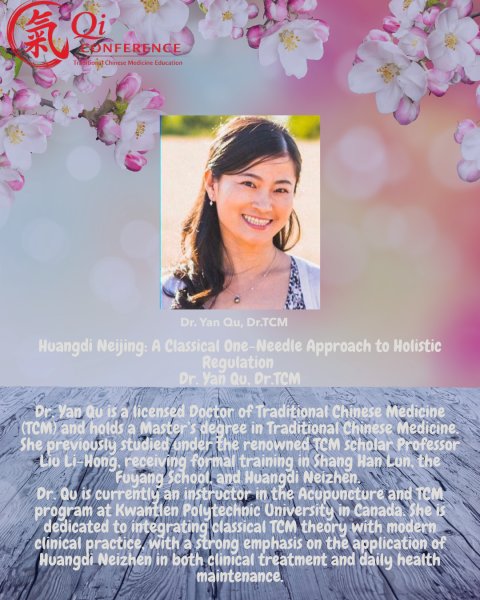
Qi Conference -Huangdi Neizhen: A Classical One-Needle Approach to Holistic Regulation
Huangdi Neizhen is rooted in the holistic medical philosophy of the Huangdi Neijing, with Six-Channel (Liu Jing) Pattern Differentiation serving as its core clinical framework. Emphasizing internal regulation for external disorders and a minimalist needling approach, this method translates classical theory into practical clinical application.
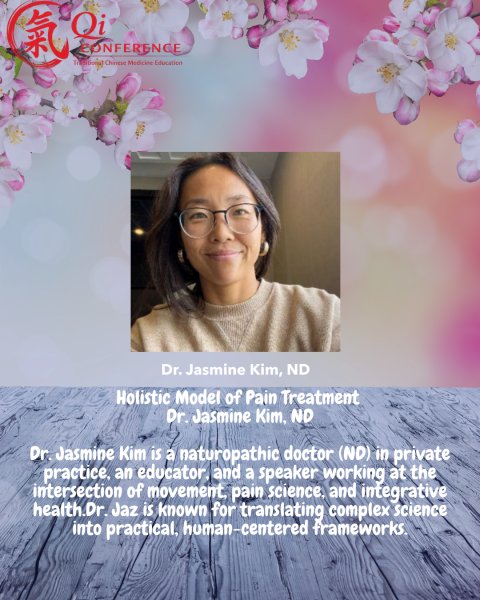
Qi Conference-Holistic Model of Pain Treatment
This presentation explores how both research and lived experience contribute to a more holistic understanding of pain and its management. It traces the evolution from the traditional biomedical model—where pain was viewed primarily as a sign of tissue injury—to the contemporary biopsychosocial model, which recognizes the complex interplay among the nervous system, psychological factors, and social context.